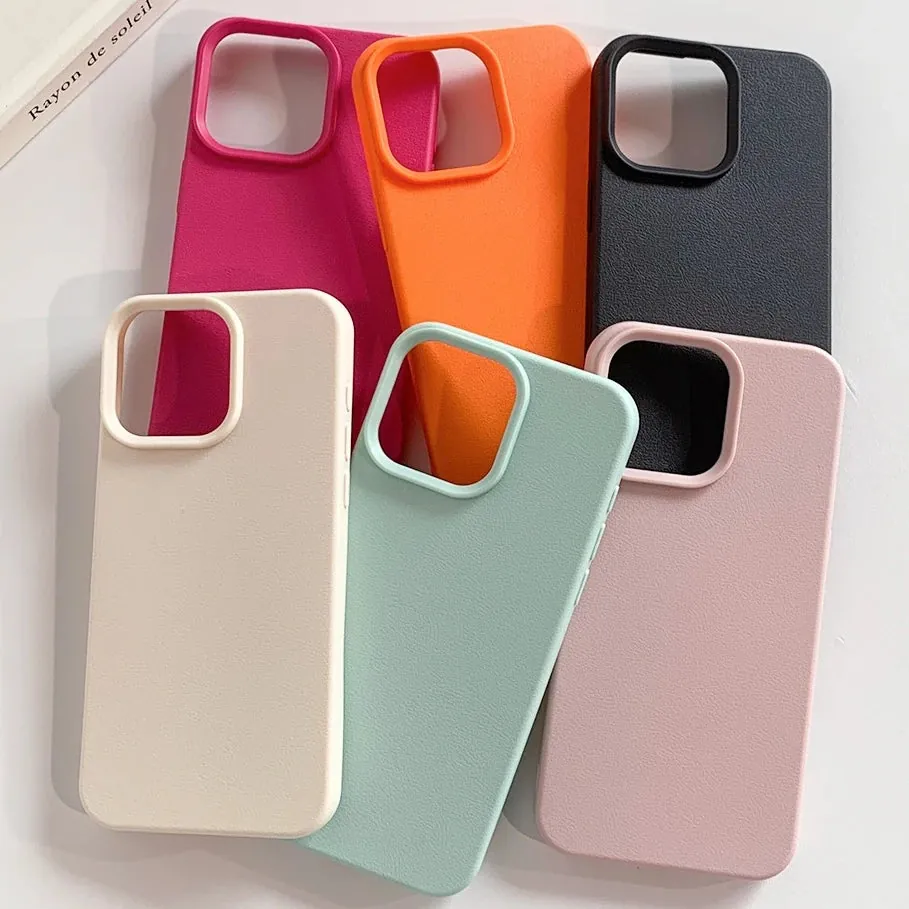
A phone case that feels sticky is usually not a crisis, but it is a good reason to pause before reaching for a harsh cleaner. The tacky feeling can come from hand lotion, sunscreen, cooking residue, pocket lint, a spilled drink, or a product that left a film behind. Sometimes it comes from a soft-touch coating that is beginning to wear out. The safest fix is simple: identify whether you are dealing with surface residue or a tired material, then use the smallest cleaning step that can solve the problem.
Start by working out what “sticky” means
Take the phone out of the case and hold the empty case in clean, dry hands. Notice where the feeling is strongest. A tacky patch on the back can point to residue from a sticker, grip, lotion, or a cleaner. A whole silicone-style case that feels slick or gummy may have collected a thin film of oils. A case that only feels odd around the edges may be stretched, peeling, or reacting to heat.
That distinction matters. Dirt and residue usually improve with a gentle wipe. A coating that has broken down may not. Trying to scrub a worn finish back to normal can make it rougher, shinier, or even more uncomfortable to hold. Your aim is not to make a case look freshly manufactured. It is to get it clean, dry, secure, and pleasant to use.
Before cleaning, check the case for cracks, lifting corners, split button covers, or a rim that no longer sits snugly around the phone. If the fit is compromised, cleaning will not restore the protection that matters in a drop. The safe phone case removal guide explains how to inspect a tight case without forcing the phone frame.
Use a dry microfiber cloth first
A clean, dry microfiber cloth is the best first move for dust, lint, and fresh fingerprints. Wipe the outside and inside of the case with light pressure, paying attention to the side rails, corners, camera opening, and any textured area where fingers naturally rest. Fold the cloth as it picks up residue so you are lifting dirt away instead of moving it around.
Skip paper towels, tissues, abrasive pads, and old rags. Rough fibers can leave fine scratches on clear plastic and glossy finishes. They can also snag around thin button covers or a raised camera edge. A microfiber cloth is soft enough for regular care and lets you see whether the sticky feeling was only a light surface film.
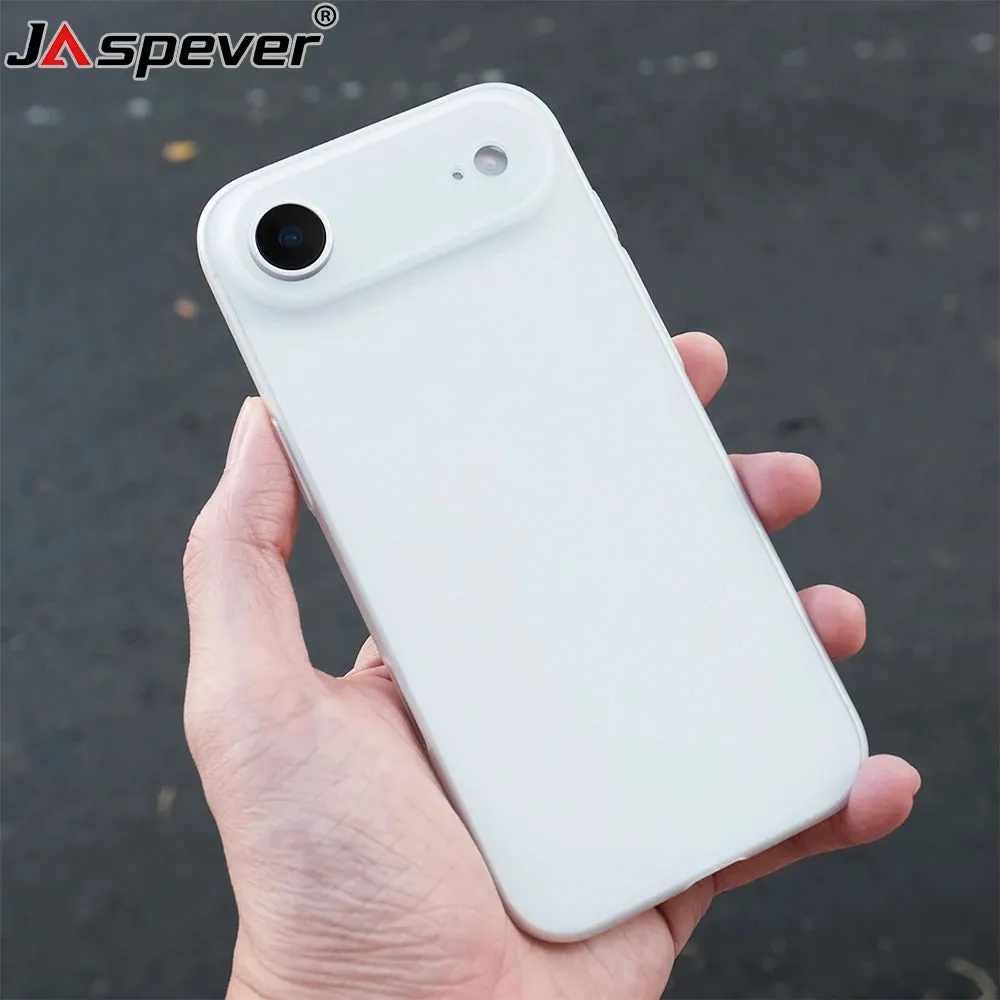
If the case now feels normal, stop there. More cleaner is not an upgrade. A quick dry wipe every week or two is often enough to keep ordinary hand oils from becoming a noticeable film.
For residue, use a barely damp cloth
If a dry wipe does not help, dampen one corner of the microfiber cloth with plain water. It should be barely damp, not wet enough to drip or leave water sitting on the case. Wipe one small area at a time, then dry it straight away with a clean part of the cloth. This approach is controlled and gives you a chance to see how the material responds.
Keep liquid away from the phone, charging port, camera openings, moving stands, magnetic rings, and adhesive pads. Do not spray anything directly onto a case. Apple’s device cleaning guidance likewise starts with a soft, lint-free cloth and cautions against getting moisture into openings. The same cautious mindset works well here.
If the case has a material-specific care instruction, that instruction wins. Leather, leather-look, printed, clear, and soft-touch cases can react differently. When you cannot confirm the material, the least aggressive method is the smart default. For a wider material-by-material routine, see how to clean a phone case safely.
Do not turn to harsh cleaners or scraping
Bleach, acetone, nail polish remover, strong degreasers, abrasive powders, and scouring pads can damage a case faster than the original residue. They may cloud clear plastic, remove a printed design, dry out flexible edges, or change a soft matte finish into a shiny patch. Strong alcohol products can also be unpredictable on coatings and leather-look materials.
Sticker or tape residue deserves patience, not a blade. Hold a lightly damp cloth over the spot briefly, then rub gently in small circles. Repeat rather than pressing harder. A plastic card may seem harmless, but its corner can leave a permanent line on a glossy case or catch an edge on a textured finish. If residue will not lift with this low-risk approach, follow the case maker’s specific care guidance rather than escalating with household solvents.
Clean around grips, rings, and magnetic surfaces carefully
A grip, card wallet, rotating ring, or fold-out stand can create a spot where residue collects. Wipe around the accessory with a dry cloth first. If it is detachable, remove it only as its maker intended, clean both surfaces dry, and let the case sit flat before putting it back. Do not push a damp cloth into a narrow seam or use oil to make a moving part feel smoother.
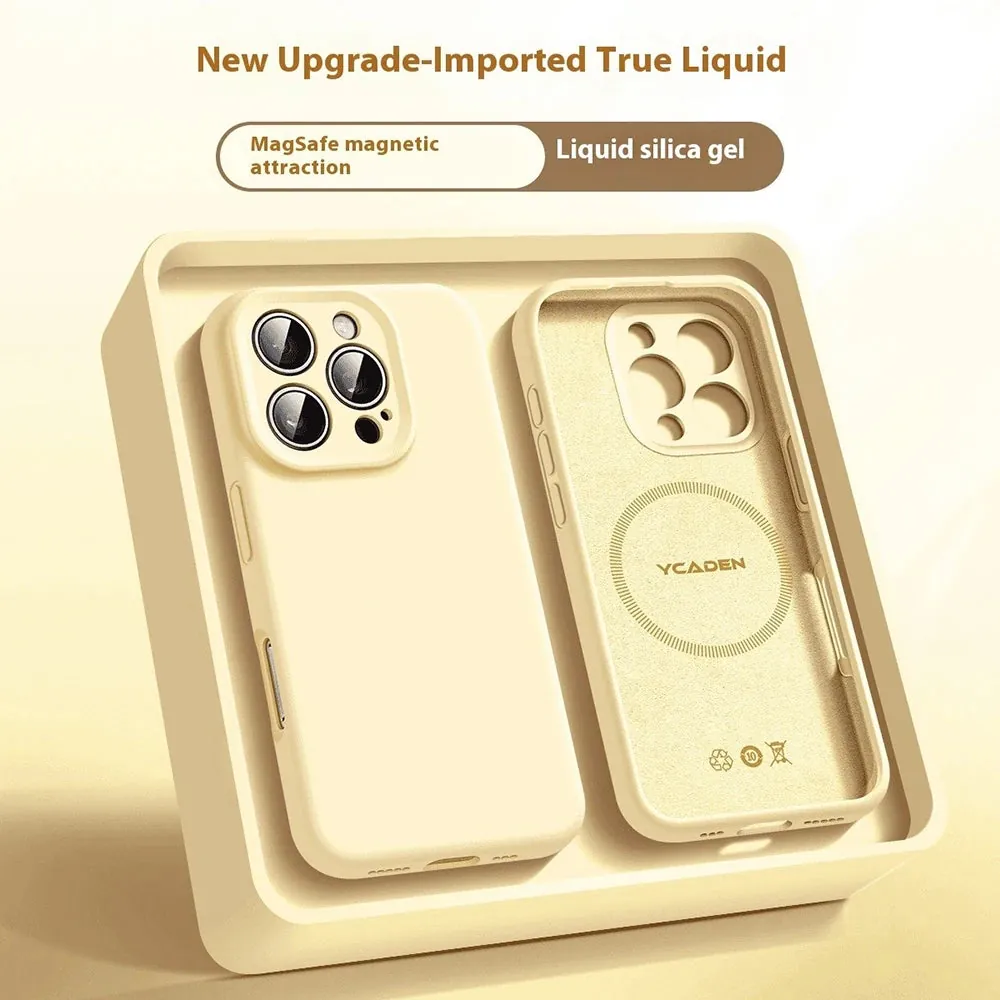
If you use magnetic charging, keep the center of the case clear of metal plates, residue, and bulky add-ons. A dirty or uneven surface can make it harder for accessories to settle properly. The magnetic charging compatibility guide explains why a clean, flat connection matters when you charge through a case.
After cleaning any add-on, test it calmly. It should sit securely, move through its normal range, and not make the phone wobble. A phone accessory should improve control, not introduce another part that needs constant adjustment.
Dry the case completely before putting it back on
Even a lightly damp case needs time to dry. Leave it open side up on a clean cloth until it no longer feels cool or damp around the camera cutout, button covers, or corners. Do not use a hair dryer, radiator, hot car dashboard, or direct sun to speed things up. Heat can warp flexible materials and may make some finishes age faster.
While it dries, wipe the phone itself with a dry microfiber cloth. Look for lint near the camera and along the side buttons. Putting a clean, dry case back on a clean phone prevents trapped grit from making tiny scratches or recreating the film you just removed.
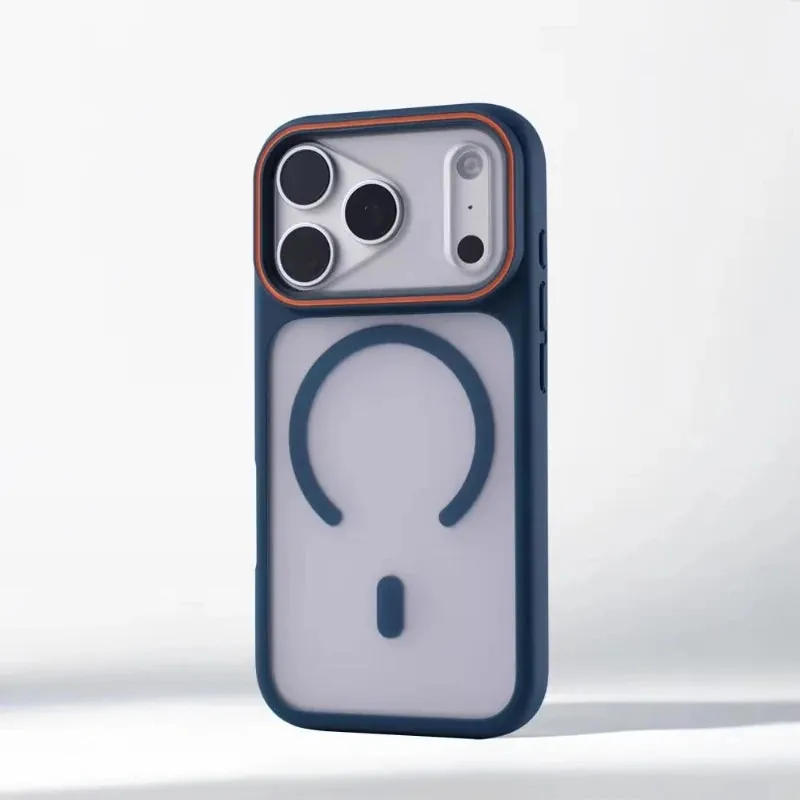
Once it is dry, reinstall the case and check the fit at every corner. It should sit evenly around the phone, with button covers and camera opening lined up. A case that has become loose or warped is not made safer by being clean.
Know when it is time to replace the case
When the sticky feeling remains after gentle cleaning, the material may be wearing out. That is especially common with soft-touch coatings that have been exposed to heat, oils, or repeated strong cleaners. Replace the case if it stays tacky, feels rough, has deep scratches, sheds material, cracks, or no longer grips the phone securely.
A replacement is also the practical answer when you have changed the way you use your phone. Someone who wants a steadier hold may prefer a matte or textured edge. Someone who charges magnetically may need a flatter compatible back. Someone who wants a viewing stand may be better served by a case designed with one rather than adding adhesive parts to an older shell.
Snap & Grip’s Leather Texture Soft TPU iPhone Case is one option for shoppers who prefer a textured, anti-slip feel. Browse the broader Phone Cases collection to compare materials, profiles, and features with your exact phone model in mind.
Keep sticky buildup from coming back
The easiest routine is a quick dry microfiber wipe once a week or two, plus a careful clean after sunscreen, lotion, cooking, a workout, travel, or a spill. Keep the cloth near where you charge your phone so the gentlest option is always nearby. Avoid treating every fingerprint with a stronger cleaner.
If your case feels slippery rather than tacky once it is clean, it may be a design or material mismatch rather than a hygiene problem. The guide to making a phone case less slippery covers practical ways to improve control without covering buttons, camera openings, or charging areas.
A good case should make your phone easier to live with. Gentle care keeps the surface comfortable. Replacing a worn case keeps the fit and protection dependable. Both are better choices than trying to rescue a tired finish with something harsh from under the sink.
FREQUENTLY ASKED QUESTIONS
Sticky phone case questions
Why does my phone case feel sticky?
Skin oils, lotion, sunscreen, food residue, and cleaner residue can leave a tacky film on a case. If gentle cleaning does not change the feel, the coating or material may be worn rather than dirty.
Can I use rubbing alcohol on a sticky phone case?
Check the case maker’s care advice first. Alcohol can affect some soft-touch coatings, printed finishes, leather-look materials, and clear plastics. A slightly damp microfiber cloth is the safer everyday starting point.
How do I remove sticker residue from a phone case?
Soften the residue with a lightly damp cloth, then rub gently with the cloth rather than scraping. Do not use blades, nail polish remover, or abrasive pads, which can scratch or cloud the finish.
When should I replace a sticky phone case?
Replace the case when it stays tacky after gentle cleaning, has cracks or stretched edges, no longer fits snugly, or feels rough enough to make your phone harder to hold securely.
RELATED POSTS
Keep your everyday setup comfortable and secure.
How to Make a Phone Case Less Slippery
Phone case feels slippery? Clean away residue, improve your hold safely, and know when a better-fitting replacement is the right fix.
READ ARTICLE ↗
How to Clean a Phone Case Safely
A simple, material-aware way to clean a phone case without trapping moisture, scratching the finish, or using the wrong cleaner.
READ ARTICLE ↗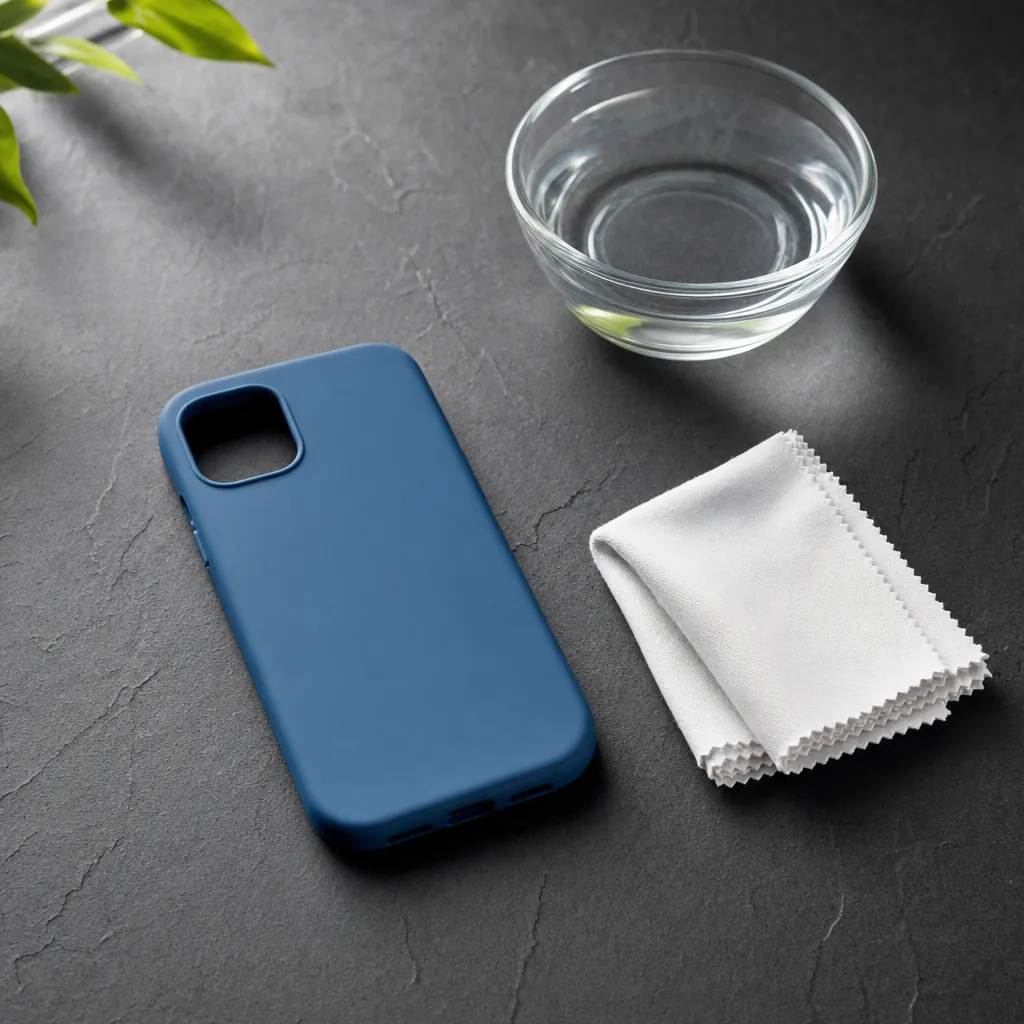
How to Clean a Silicone Phone Case Without Making It Sticky
Learn how to clean a silicone phone case with a damp microfiber cloth and avoid cleaners that can leave the finish sticky.
READ ARTICLE ↗