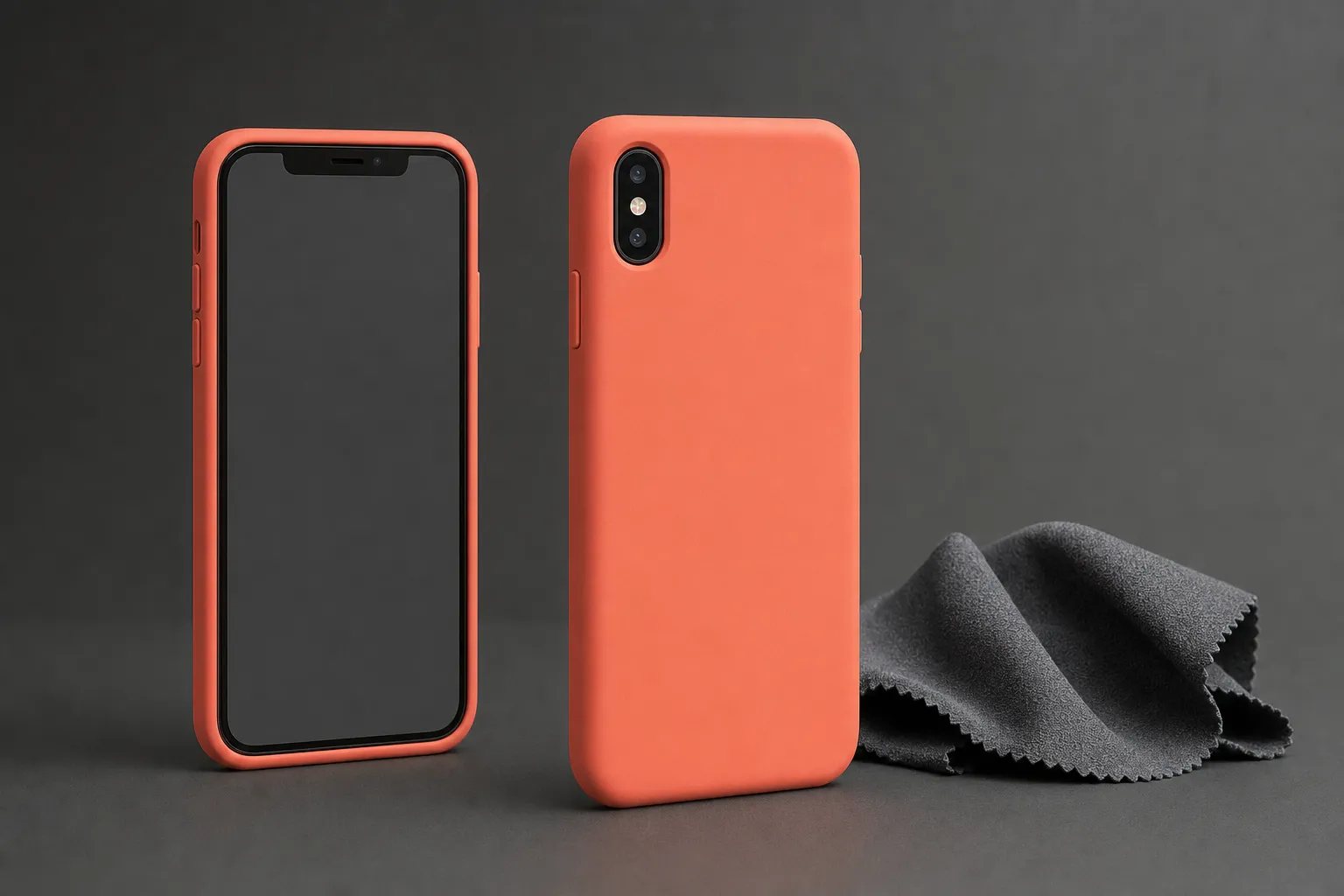
Yes, a silicone phone case can be a very good everyday choice. It is usually comfortable to hold, less slippery than bare glass, simple to put on, and available in plenty of colors. The better question is whether its strengths match your routine. A silicone case is not automatically the right answer for every phone, every bag, or every charging setup. Here is how to decide without getting lost in product buzzwords.
What makes a silicone phone case a good everyday option?
Silicone cases work well because they make the phone easier to handle without making it feel like a brick. The surface is usually soft and matte, which gives your fingers more purchase than a bare glass back. That is useful when you are carrying groceries, taking photos one-handed, answering a call on the move, or simply pulling the phone out of a pocket.
They also tend to have a flexible rim. That makes installation straightforward and lets the case wrap around the corners instead of relying on a stiff shell alone. On a case that fits well, the lip around the screen and camera creates a little separation from a table or countertop. It is a small detail, but it helps prevent everyday scuffs when the phone is set down.
The appeal is practical, not magical. Silicone will not make a phone indestructible, and a thin case cannot replace careful handling. What it can do is make a phone more comfortable to grip and give it a layer of coverage against the bumps, scratches, and short drops that happen in normal life.
Grip is usually the biggest advantage
A good grip is one of the most useful forms of protection because it can reduce the chance of a drop in the first place. Smooth glass phones can feel slippery after hand lotion, while cooking, after a workout, or when you are moving quickly. A matte silicone surface usually gives you a more secure hold without needing an added ring or bulky attachment.

Feel matters here. Some silicone finishes are velvety and controlled, while others are very smooth and may attract lint. The useful test is simple: imagine taking the phone out of a pocket, holding it while walking, and setting it on a desk several times a day. If the case feels secure without being sticky or awkward, it is doing its job.
Texture also changes with care. Oils, sunscreen, makeup, and dust can leave a film that makes a case feel less pleasant. A quick microfiber wipe keeps the grip feeling more consistent. That is one reason silicone makes sense for people who want a straightforward case they can maintain in a minute or two.
Protection depends on the design, not the word “silicone”
Material is only one part of a protective case. Look at how much coverage the case provides around the corners, camera opening, buttons, and screen edge. A case that sits snugly around those areas is more useful than one that feels loose, shifts when you press the side buttons, or leaves a large part of the rim exposed.
For everyday protection, a slightly raised edge around the camera and display is worth having. It helps keep those surfaces from resting directly on a flat table. Reinforced corners can add confidence too, especially if the phone often lands in the same lower corner when it slips from a hand or pocket. These features do not eliminate damage, but they are sensible things to compare before choosing based on color alone.
Fit matters just as much after a few months as it does on day one. Replace a case when the corners stretch, the frame pulls away from the phone, button covers tear, or the camera opening no longer lines up cleanly. A case that will not stay seated cannot protect the phone the way it should.
Silicone cases are usually slim, but not always pocket-proof
Most silicone cases keep a fairly slim profile, which is why they are popular for daily use. They add enough thickness for a better grip and edge coverage without changing the feel of the phone too dramatically. For many people, that is the sweet spot between carrying a bare phone and using a heavy rugged case.
The tradeoff is friction. A soft silicone finish can catch slightly on a tight jeans pocket or the lining of a small bag more than a hard glossy case does. That is not necessarily a problem, but it is worth considering if you frequently slide your phone in and out with one hand. A smooth case may move more easily, while a grippier case is less likely to slide off an armrest or countertop.
If you carry keys, coins, or sharp metal items in the same pocket, give the phone its own space when possible. Silicone helps with grip, but it cannot stop hard objects from marking the screen or rubbing against the case edges. A separate pocket or pouch is the easier fix than expecting any case to protect against every kind of friction.
Cleaning is easy, but light colors show more
Silicone is a forgiving choice when it comes to normal cleanup. Dust, fingerprints, and everyday residue usually lift with a soft, slightly damp microfiber cloth. The phone should come out of the case first, and the case should dry completely before it goes back on. Apple also recommends a soft, lint-free cloth as the starting point for its silicone, clear, polycarbonate, and TPU iPhone cases in its official case cleaning guidance.
What silicone does not hide as well is dye transfer. Light colors can show makeup, denim dye, sunscreen, cooking oil, or pen marks more readily than a dark patterned case. A gentle clean may improve a fresh surface mark, but it is not a promise that every stain will disappear. Rubbing harder or trying harsh household cleaners often creates a bigger problem by changing the finish.
Skip bleach, acetone, abrasive powders, stiff scrub pads, and strong spray cleaners. They are a poor gamble for a soft-touch surface. For a fuller care routine, use the silicone phone case cleaning guide before trying a viral cleaning shortcut.
Think about charging before you choose
A silicone case can work well with wired charging because the port cutout stays accessible. For magnetic charging and snap-on accessories, check that the case specifically supports that setup. A standard silicone case may not have the magnetic alignment needed for a charger or mount to attach securely, even when the phone itself supports magnetic accessories.
If wireless or magnetic charging is part of your day, it is better to choose a case built for it than to force a metal plate or bulky attachment onto a soft case. The clear MagSafe case guide explains the compatibility points to look for, while Snap & Grip's phone case collection makes it easier to compare styles before settling on a color.
There is no reason to buy features you will never use. Someone who charges by cable at a desk may care most about soft grip and a slim feel. Someone who uses a magnetic power bank, a car mount, or a bedside charger should make compatibility part of the decision from the start.
Choose silicone when comfort and grip matter most
Silicone is a solid match for commuters, students, parents, and anyone who uses their phone constantly through the day. It is especially useful if you find bare glass slippery or if you want a case that feels softer and warmer in the hand than hard plastic. It also suits people who want color without moving into a heavily patterned design.

It may be less appealing if you need a case that slides in and out of a tight pocket with almost no friction, prefer a hard glossy shell, or want a very rugged build for frequent outdoor work. Those are not failures of silicone. They are simply different priorities. The best case is the one you will comfortably use every day and replace when its fit or protection starts to fade.
A quick way to compare your case options
Start with the situation that causes you the most annoyance. If your phone feels slippery, you want a softer hold, or you are tired of a cold hard shell, silicone is probably the strongest place to start. It gives the hand more to hold onto and tends to feel more relaxed in everyday use. Choose a darker color if visible lint or dye transfer would bother you, or choose a lighter color if the look matters more and you do not mind a quick wipe now and then.
A clear case is the better fit when you want to see the phone color or design. It can feel lighter visually and works well for people who prefer a nearly invisible layer, but it may show yellowing or scratches as it ages. A leather or leather-look case can suit someone who wants more texture and a dressier look, but it needs gentler care around spills and cleaners. Neither material makes silicone obsolete. They simply solve different daily problems.
It also helps to think about the accessories you already use. A wired-charging routine leaves you free to focus on fit and grip. A magnetic charger, power bank, wallet, or car mount narrows the choice to cases designed for that system. Do not assume any case with a smooth back will attach securely. The product details should plainly say whether it supports magnetic accessories.
Finally, pay attention to the edges rather than just the color swatch. Check for a raised camera lip, a rim that sits evenly around the display, responsive button covers, and a port opening that does not make plugging in a cable frustrating. Those details are where a comfortable case becomes a dependable one.
Find a case that fits the way you use your phone
Snap & Grip carries colorful silicone options for shoppers who want a soft feel, everyday grip, and a straightforward protective layer. The Dopamine Color Silicone iPhone Case is a practical place to start when you want a simple solid-color look. Check the model options carefully, then choose the color and setup that will actually work with your charging routine.
Do not overlook the basic fit check when your new case arrives. Make sure each corner sits flat, the camera opening is clear, the buttons respond normally, and the charging port is easy to reach. Those details count more than a dramatic product claim. A well-fitting case is easier to live with, and it gives the phone the consistent edge coverage you bought it for.
If you are still comparing materials, the clear phone case guide and the leather phone case guide can help you weigh the care and feel of those alternatives. Different cases suit different routines. Silicone earns its place when you want an uncomplicated balance of grip, comfort, and everyday coverage.
FREQUENTLY ASKED QUESTIONS
Silicone phone case questions
Do silicone phone cases protect your phone from drops?
A well-fitting silicone case can help with ordinary bumps, scratches, and short drops because the flexible material covers the back and edges. Protection still depends on the case design, raised edge coverage, and whether it stays securely fitted around the phone.
Are silicone phone cases slippery?
Most matte silicone cases are less slippery than a bare glass phone and feel secure in the hand. Very smooth silicone finishes can still pick up lint or feel slick when covered with lotion, so a regular microfiber wipe helps.
Do silicone cases get dirty easily?
Light-colored silicone can show pocket lint, sunscreen, makeup, and dye transfer more quickly than a patterned case. A gentle wipe with a slightly damp microfiber cloth is usually enough for routine care.
Is silicone or a hard case better?
Neither is better for every person. Silicone is a strong everyday choice when grip, a soft feel, and a slim profile matter most. A more rigid case can suit someone who wants a different look, a stiffer shell, or more pronounced structure around the edges.
RELATED POSTS
Choose and care for your everyday case.
How to Clean a Silicone Phone Case Without Making It Sticky
Learn how to clean a silicone phone case with a damp microfiber cloth and avoid cleaners that can leave the finish sticky.
READ ARTICLE ↗
How to Clean a Clear Phone Case Without Damaging It
A gentle, practical method for removing everyday grime from a clear phone case, plus what to do when it starts to yellow.
READ ARTICLE ↗
How to Clean a Leather Phone Case
A careful, practical routine for cleaning genuine leather and leather-look phone cases without leaving the finish dry, dull, or damaged.
READ ARTICLE ↗