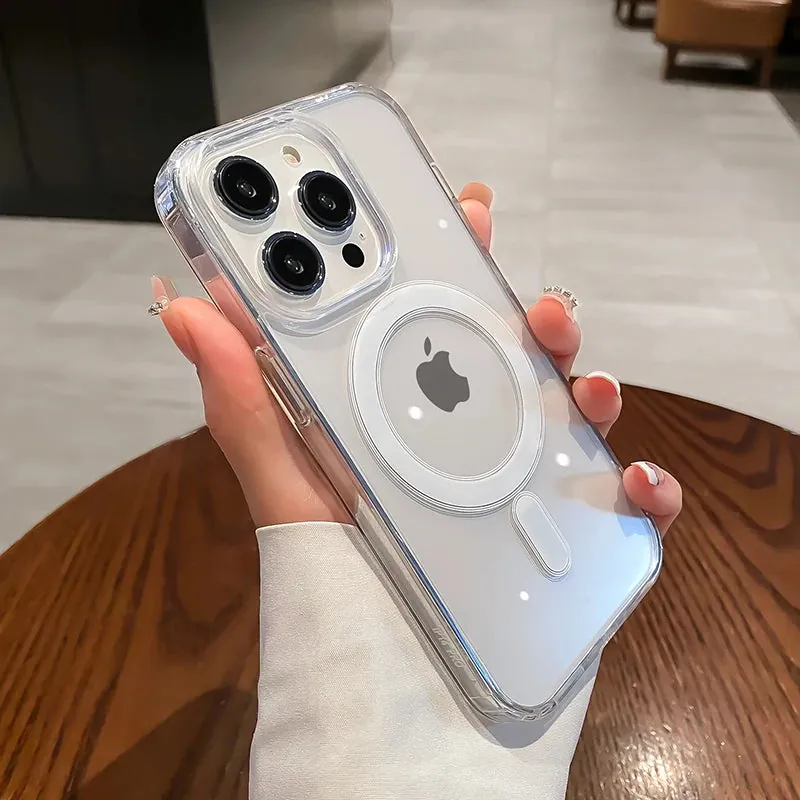
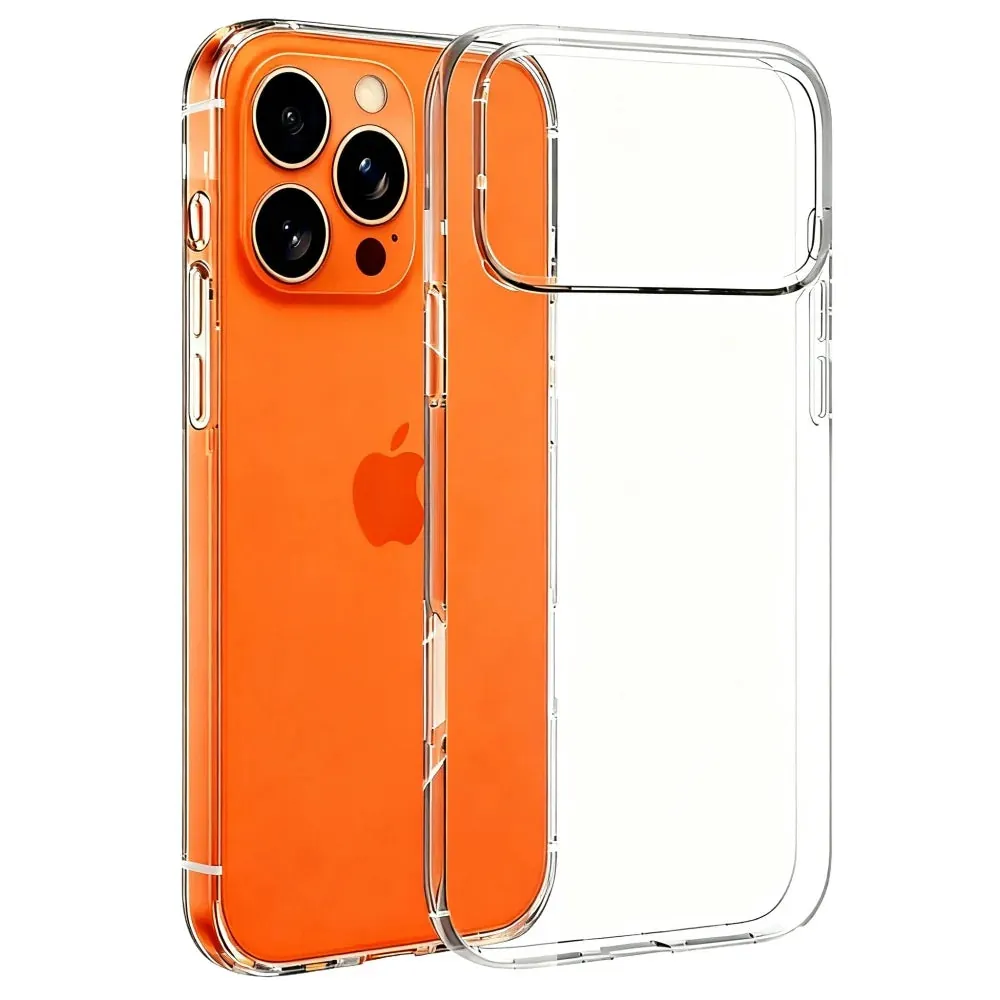
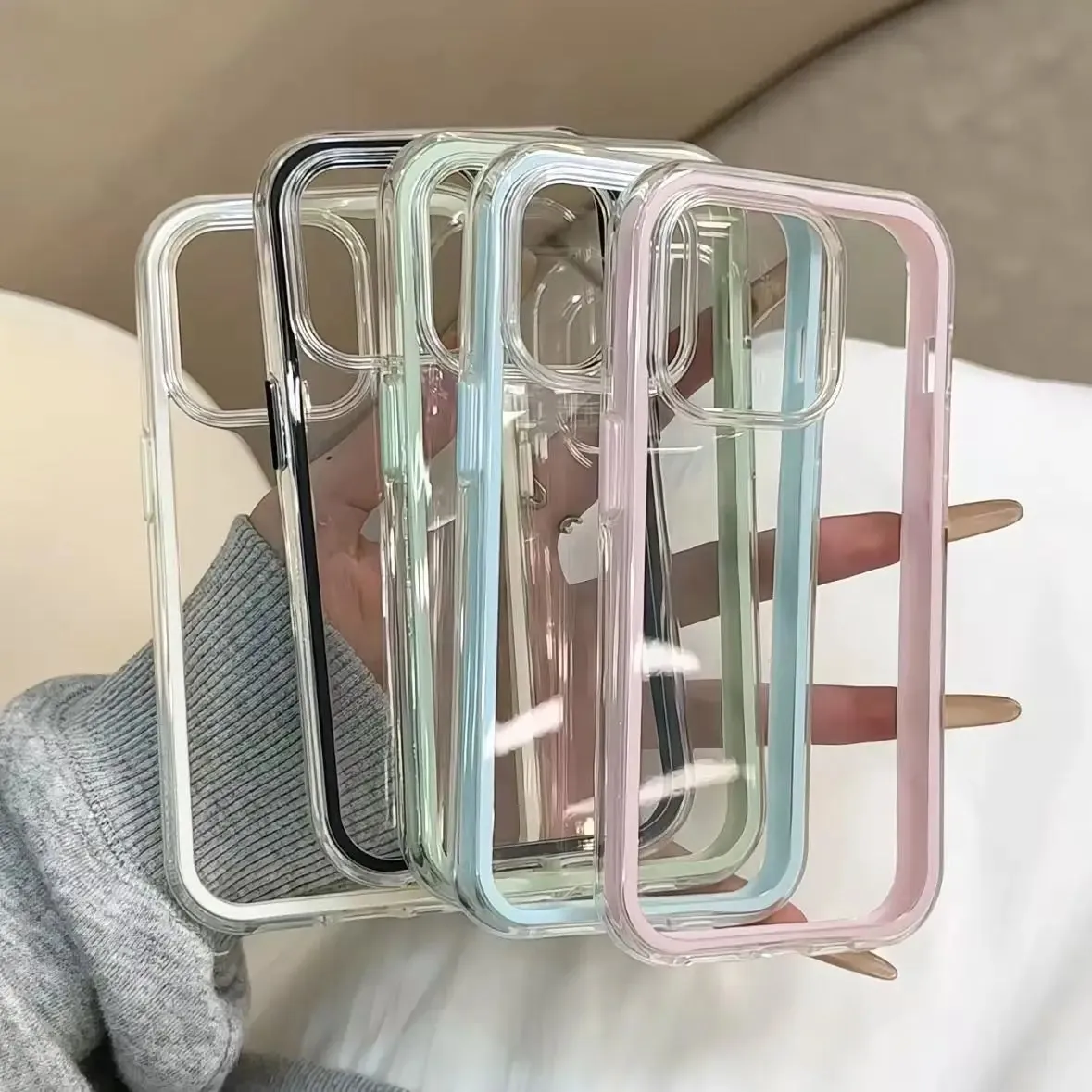
The appeal of a clear case is simple: your iPhone is already designed to be seen. The color, finish, and camera layout stay visible instead of disappearing behind an opaque cover. The tradeoff with a bare phone is that the surfaces you touch every day, from a kitchen counter to a car console, become a much bigger risk. A good clear case keeps the look while adding a practical buffer around it.
This is where fit matters more than flashy language. A case should sit close to the phone, wrap the corners securely, and keep the buttons easy to use. It should not flex away from the frame when you pull it from a pocket or leave the camera area exposed when you set the phone down. The transparent MagSafe case is built around that everyday balance: a clear hard back for the phone’s look, protective structure for ordinary impacts, and a lightweight feel that does not make the device awkward to carry.
It is also a straightforward choice for a mixed setup. Maybe you charge at a desk during the week, attach a magnetic power bank while traveling, or use a compatible stand at home. The case lets the magnetic part of your routine stay available without forcing you into a dark or heavily styled design. That makes it especially useful when you want one case that works across the places your phone already goes.
For the best result, choose the exact model on the product page and check the fit before removing any protective packaging. Your iPhone model determines the camera opening, button placement, and overall shape, so close compatibility is what makes a clear case feel like part of the phone rather than something balanced on top of it.
Think about the moments when your phone is most likely to take a knock. It might slide across a work surface, land beside the bed, get passed around in the car, or share a pocket with keys and a charging cable. A slim case cannot make a phone indestructible, and it should not pretend to. What it can do is give the edges, back, camera area, and screen perimeter more room between the phone and the surfaces that cause everyday marks. That small layer of protection is often what keeps a routine accident from becoming an expensive interruption.