Keep your phone usable
Maps, tickets, messages, and camera access all matter more when you are away from your usual charging spot. A power bank helps keep the phone available instead of forcing you to ration every task.
POWER ON THE MOVE
Keep a dependable charge close with a magnetic power bank that snaps into your daily routine, from a long commute to a weekend away.
POWER WITHOUT THE CABLE TANGLE
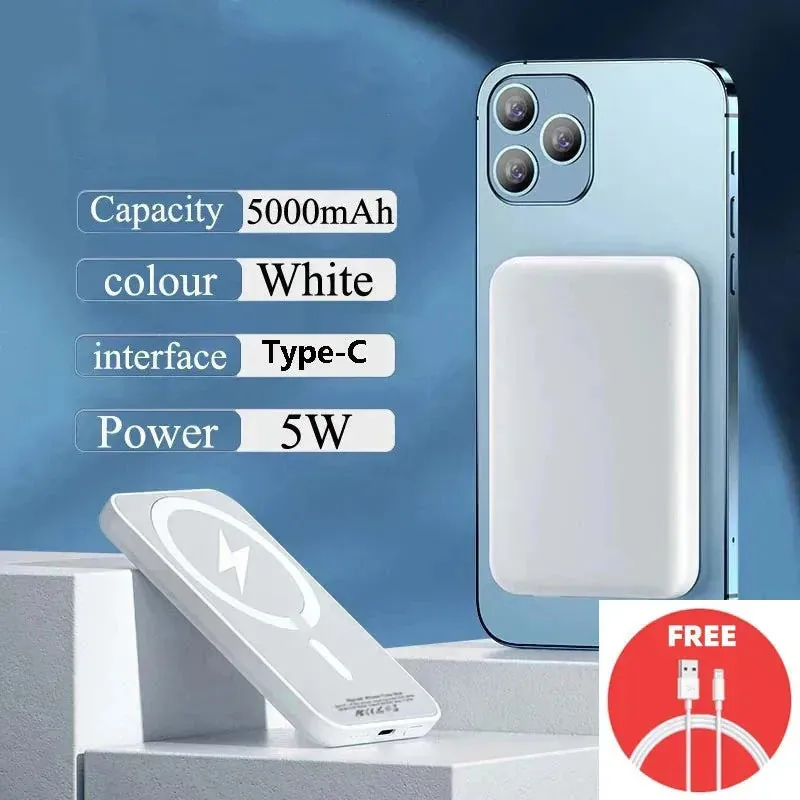
A magnetic power bank gives your phone a simple backup plan when an outlet is not nearby. It attaches to the back of a compatible phone or case, keeping power close while you check directions, answer messages, take photos, or make it through the last stretch of a busy day. There is less to unpack and less cable to manage when you need a quick lift.
Snap & Grip carries magnetic options for different routines, including slim 5,000 mAh choices for everyday carry and 10,000 mAh options for longer days. Each one is made for the practical moments that drain a phone first: travel, workdays away from a desk, a full day of plans, or the familiar moment when the battery is lower than expected and there is still plenty left to do.
VIEW 5,000 AND 10,000 MAH OPTIONS ↗WHY MAGNETIC POWER HELPS
Maps, tickets, messages, and camera access all matter more when you are away from your usual charging spot. A power bank helps keep the phone available instead of forcing you to ration every task.
A compact magnetic battery can stay in a pocket, bag, or jacket until you need it. It is an easy alternative to carrying a wall charger and searching for an open outlet.
A lighter 5,000 mAh option suits routine backup. A 10,000 mAh option gives you more reserve power when travel, long shifts, or a packed schedule keep you away from home.
START WITH CAPACITY
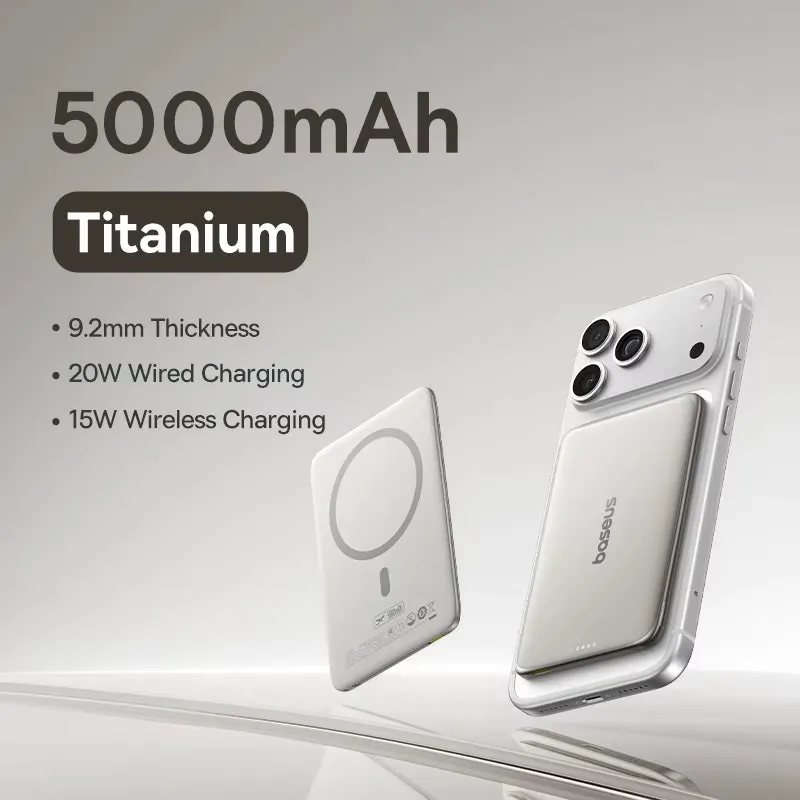
The right capacity depends on what you expect the power bank to do. A 5,000 mAh magnetic power bank is the easy everyday choice when your phone usually makes it through most of the day but needs support before you get back to your regular charger. It is a good fit for commuting, errands, dinner plans, a concert, a campus day, or any outing where you want a compact safety net rather than a heavy extra device.
A 10,000 mAh option makes more sense when the day is less predictable. It gives you a larger reserve for travel, a long workday, extended navigation, airport time, or a weekend when you may not be near a convenient outlet. The tradeoff is simple: more capacity usually means a larger item to carry. That is worthwhile when avoiding a low-battery problem matters more than keeping your pocket as light as possible.
Neither choice is automatically better. Choose the smaller option when low-profile carry matters most, and move up when you need more time between charging stops. The important part is matching the power bank to the way you actually use your phone, not buying more battery than you will comfortably bring along.
SHOP THE ULTRA-SLIM 5,000 MAH POWER BANK ↗MAKE SURE IT FITS YOUR SETUP
Magnetic charging feels effortless when the phone and power bank line up properly. If you have a compatible iPhone or a magnetic case, the connection can stay simple: place the power bank against the back of the phone and let the magnetic system guide it into position. That is especially useful when you are standing on a train platform, walking through an airport, or trying to keep your bag from becoming a nest of charging cables.
Your case matters just as much as your phone. A slim magnetic-compatible case generally gives the power bank a flatter, more secure surface. Very thick rugged cases, wallet cases, and cases with bulky accessories can make the magnetic connection less reliable. When your setup is not magnetic-ready, look closely at the product details before ordering so you know whether an included magnetic ring or a different charging method is the better fit.
It also helps to think about how you hold the phone while charging. A slim power bank is easier to use for messages, rideshare details, or directions when it is attached. A larger capacity model may be the better companion in a bag while you work, travel, or wait between plans. Both can be useful, but the best choice is the one that feels natural enough to bring with you instead of sitting at home in a drawer.
For the smoothest experience, keep the back of the phone and the charging surface clean. Dust, loose paper labels, and an uneven case surface can interfere with a close fit. When you attach the power bank, make sure it sits flat and stays clear of the camera area. A quick check before you head out is enough to make sure your backup power is ready when you need it.
If you already use a magnetic case for charging or a car mount, a matching magnetic power bank can make the rest of that accessory setup feel more consistent. The phone can move from a bedside charger to a desk stand, a car mount, and a portable battery without asking you to remove the case every time. That is the real benefit: fewer small steps between a low battery and a usable phone.
For choosing a compact backup or a larger reserve in one magnetic power bank style.
FROM $34.99SHOP FLEXIBLE CAPACITY OPTIONS ↗For a lighter everyday battery that is easy to keep close during commutes and errands.
FROM $83.99SHOP ULTRA-SLIM 5,000 MAH ↗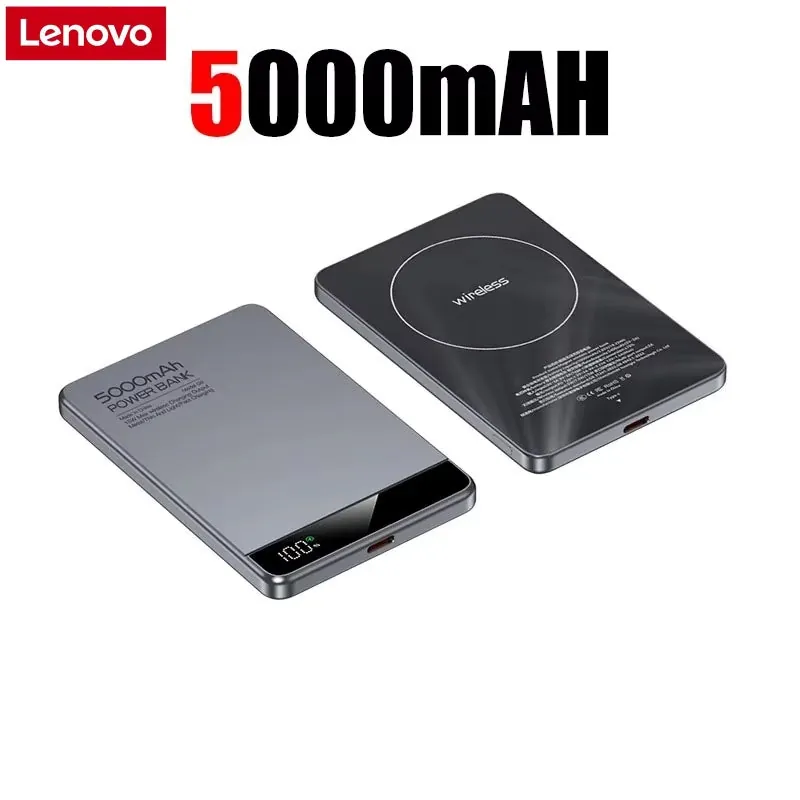
For longer travel days, more time away from outlets, and a larger portable power reserve.
FROM $76.99SHOP ULTRA-SLIM 10,000 MAH ↗POWER FOR THE PLACES YOU GO
A magnetic power bank is most useful when you choose it around a real routine instead of an ideal one. For a daily commute, the goal may simply be to avoid arriving home with a nearly empty phone after maps, music, messages, and a few calls. A compact 5,000 mAh battery is a practical fit because it gives you backup power without turning the phone or pocket into something bulky.
For a workday away from a desk, think about the hours when your phone has to do more than send a few texts. It may handle calendar changes, a rideshare pickup, two-factor login prompts, lunch plans, photos, or a video call between meetings. A magnetic battery lets you top up while you keep the phone close, rather than stepping away to look for a wall outlet or leaving it on the floor beside one.
Travel usually calls for more capacity. Airports, train stations, hotel check-in, rental cars, and unfamiliar directions can all add up quickly, especially when you are using the screen at full brightness and switching between travel apps. A 10,000 mAh power bank gives you a more comfortable reserve for those longer days. It is also useful when the outlet you find is shared, inconvenient, or simply not working when you need it.
At an event, a day at a theme park, a game, or a long weekend out, the phone tends to become the camera, ticket holder, map, and way to find everyone at once. That is exactly the sort of day when a portable power bank earns its place. You can take the battery out before the phone reaches the last few percent, keep charging while you move, and avoid the scramble that comes when the battery dies just before you need a QR code or ride home.
For students, the need may be a little different. A day can move from class to a library table, a coffee shop, practice, work, and a ride home without a reliable place to charge. A slim magnetic power bank is easy to keep in the same bag pocket as a cable and headphones. The best option is often the one that is light enough to carry every day, because a larger battery does not help much if it stays behind.
For parents and families, a magnetic power bank can be a useful shared backup when someone needs directions, a call, or a phone that has been used hard all day. A flexible-capacity option is especially handy when different people have different expectations for it. The small decision to keep one charged in a bag or car can take a low-battery problem off the list when the day is already busy enough.
There is no need to treat portable power as an emergency-only accessory. It is simply a way to make a phone more dependable in the places where a dead battery creates friction. Choose the size that you will use, keep it charged, and bring it on the days when your phone has more to do than usual.
USE IT WELL
Recharge the power bank before a day when you know you will need it. This sounds basic, but it is the difference between having a useful backup and carrying an extra object with no charge left. A quick look at the battery display, when your model has one, makes it easier to leave prepared instead of guessing later.
Use the magnetic connection on a clean, compatible surface, and keep the power bank out of extreme heat. Do not leave a charging battery on a hot dashboard or buried under heavy items in a packed bag. Give both the phone and battery a little breathing room during charging, especially when you are using the phone for navigation, streaming, or another power-heavy task.
USB-C gives you a practical second option when you need it. A cable can be useful for topping up another compatible device, charging while the phone is on a stand, or simply using the power bank in the way that makes the most sense for your day. Magnetic charging is convenient, but a good portable battery should also work around the rest of your routine.
When it is time to pack, place the power bank where you can reach it without unpacking everything else. An outer pocket, a small pouch, or the same place you keep your cable means you are more likely to use it at the right time. The goal is not to watch your battery percentage all day. It is to know you have an easy answer when it gets low.
FREQUENTLY ASKED QUESTIONS
A magnetic power bank works best with a compatible iPhone or a magnetic phone case. Check the product page and your phone model before ordering, especially if you use a thick case or other accessory on the back of the phone.
Choose 5,000 mAh when you want a lighter everyday backup for commuting or a busy day out. Choose 10,000 mAh when you want more reserve power for travel, long days, or several charging sessions away from an outlet.
Yes, when the case is magnetic-compatible and sits securely against the charger. Smooth, thin magnetic cases usually make alignment easier. A thick wallet case, battery case, or non-magnetic cover can weaken the connection.
The featured Snap & Grip options use USB-C for wired charging. Check the individual product page for the available charging features and the cable included with that model.
READY WHEN YOUR BATTERY ISN'T
Choose a MagSafe power bank that fits your phone, your case, and the way you move through the day.